Henrik Meier · 11 September 2026
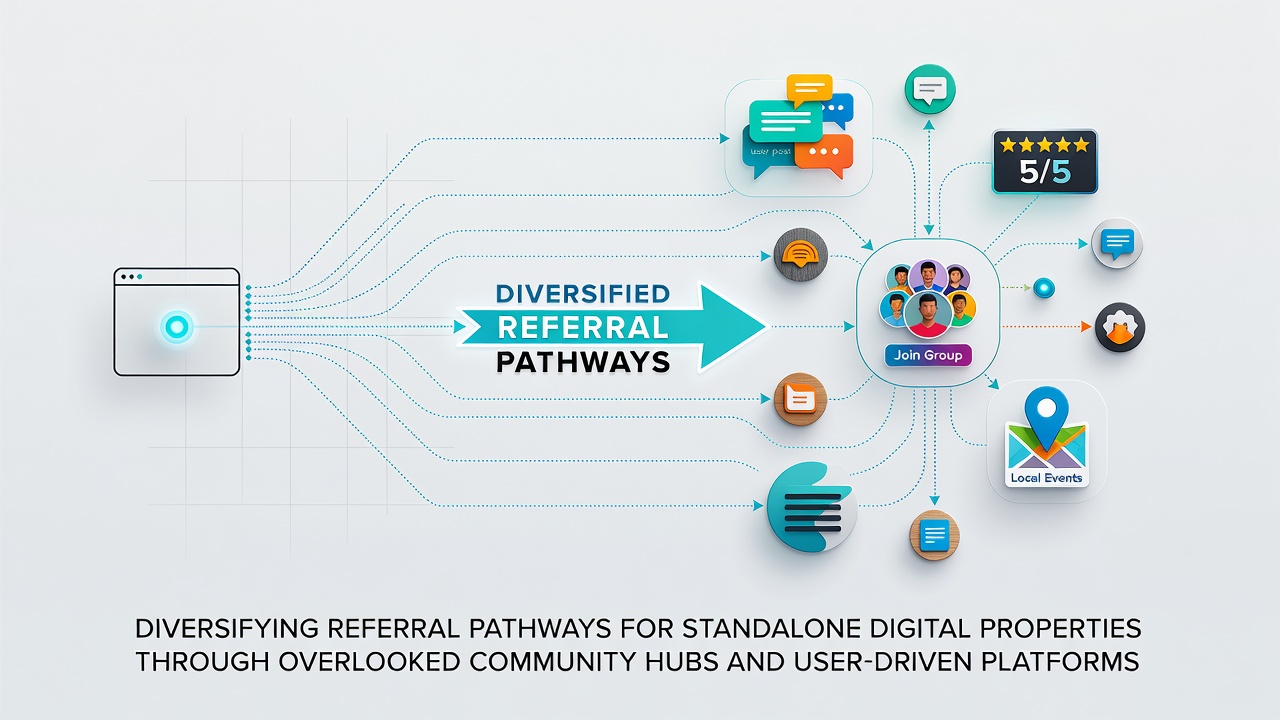
Diversifying Referral Pathways for Standalone Digital Properties Through Overlooked Community Hubs and User-Driven Platforms
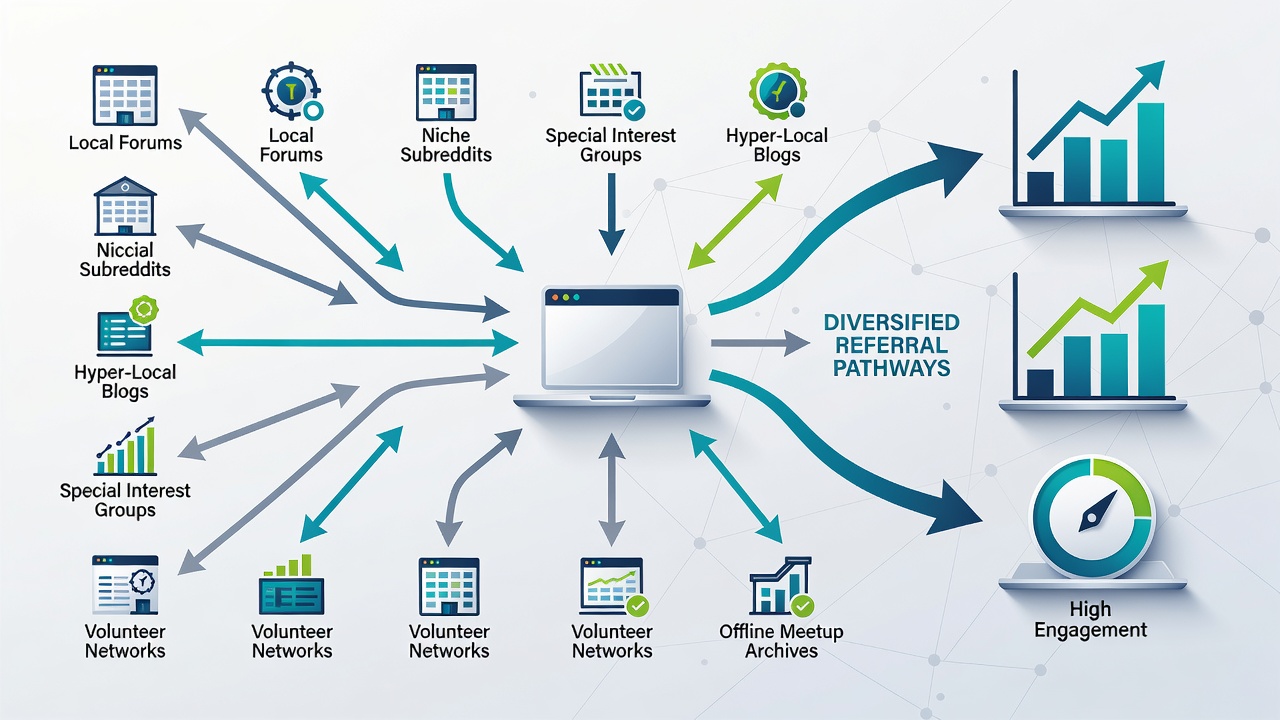
Standalone digital properties rely on referral pathways that extend beyond major search engines and social networks, and overlooked community hubs offer structured environments where targeted audiences gather around shared interests. Researchers tracking online behavior note that these hubs often operate as independent forums, niche discussion boards, and localized groups that generate consistent inbound links when site owners participate authentically. Data from multiple studies indicates that traffic arriving through such channels tends to exhibit higher engagement metrics compared with broad advertising campaigns because participants already share context with the content they discover.
Identifying Overlooked Community Hubs
Community hubs emerge in places such as regional hobbyist forums, industry-specific Slack workspaces, and localized Discord servers where users exchange recommendations without centralized moderation from large platforms. Observers have documented cases where operators of independent sites joined these spaces, answered questions directly, and earned referrals that accumulated over months rather than through one-time campaigns. Those who studied participation patterns found that hubs centered on topics like open-source software development or regional travel planning produced steady referral streams because members returned repeatedly to the same threads. In September 2026, analysts expect continued growth in these decentralized spaces as users seek alternatives to algorithm-driven feeds on mainstream networks.
Leveraging User-Driven Platforms
User-driven platforms function through mechanisms where members create and moderate content, including wikis, collaborative news aggregators, and peer-review communities that reward substantive contributions with visibility. Evidence from platform usage reports shows that standalone properties gain referrals when their resources appear in curated lists or detailed answers that solve specific user problems. Researchers discovered that platforms emphasizing long-form discussion rather than short updates foster sustained interest because readers follow links to external sources for deeper exploration. And because these environments operate on reputation systems, consistent value delivery builds trust that translates into repeated visits and shares across related threads.
Practical Integration Approaches
Integration begins with mapping active hubs and platforms that align with a property's subject matter, followed by gradual involvement that prioritizes answering queries over promotional posts. Studies on digital outreach reveal that operators who track referral sources through analytics tools can identify which hubs deliver the most qualified visitors and adjust participation accordingly. Those who've examined successful examples point to patterns where initial contributions focus on shared resources, such as detailed guides or datasets, that naturally include links back to the originating site. This method avoids abrupt self-promotion while establishing the property as a reliable node within the community's information flow.
Measuring Outcomes and Adjusting Tactics
Measurement relies on referral analytics that segment traffic by source and track downstream actions such as page views, time on site, and return visits. According to a Pew Research Center analysis of online community engagement, participants who discover resources through peer recommendations demonstrate stronger loyalty than those arriving via paid channels. Operators refine their approach by reviewing which hubs and platforms generate repeat referrals, then allocating more time to those environments while maintaining presence across a diversified set. Data from longitudinal tracking indicates that properties maintaining activity in five or more distinct hubs experience more stable referral volumes during periods when major platforms alter their algorithms.
Regional Variations in Platform Adoption
Adoption patterns differ by region because regulatory frameworks and cultural preferences shape which user-driven platforms gain traction. In European markets, collaborative platforms tied to open data initiatives have expanded referral opportunities for independent educational resources, while North American examples often center on topic-specific message boards tied to professional associations. Figures from international reports highlight that properties adapting their outreach to local platform preferences capture referrals that remain insulated from global algorithm shifts. Canadian statistical sources, for instance, document rising participation in regional knowledge-sharing networks that connect directly to standalone research repositories.
Conclusion
Diversification through overlooked community hubs and user-driven platforms creates multiple referral streams that reduce dependence on any single channel. Properties that map relevant spaces, contribute consistently, and monitor results build durable pathways supported by authentic community ties. Ongoing trends through September 2026 suggest these methods will remain relevant as users continue seeking alternatives to centralized networks, and operators who apply measured participation strategies position their sites to benefit from sustained organic referrals across varied environments.